Hydroforming
What is hydroforming?
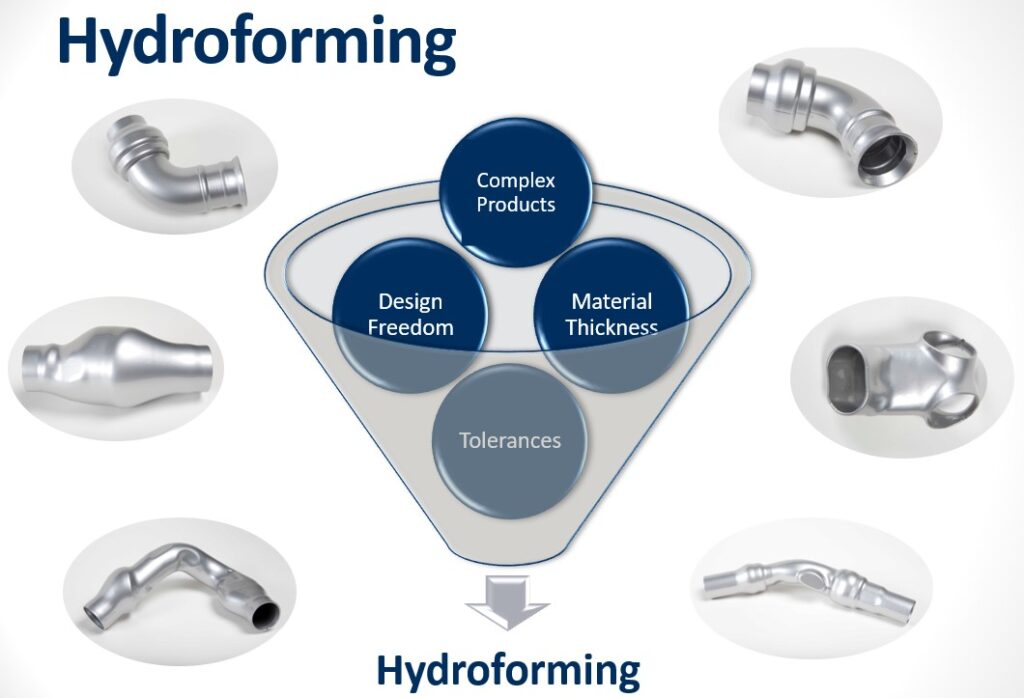
Hydroforming is an advanced forming technique that uses high pressure with either water or hydraulic oil to shape sheet metal and tubes in the manufacturing industry. With minimal material loss, hydroforming can produce high-quality and complex shapes. Its speed and efficiency make it a popular choice compared to other forming techniques.
Historically, hydroforming was used for manufacturing rocket engines in space programs during the 1950s. Over the years, the technique has been improved and adapted for broader use across various industries.
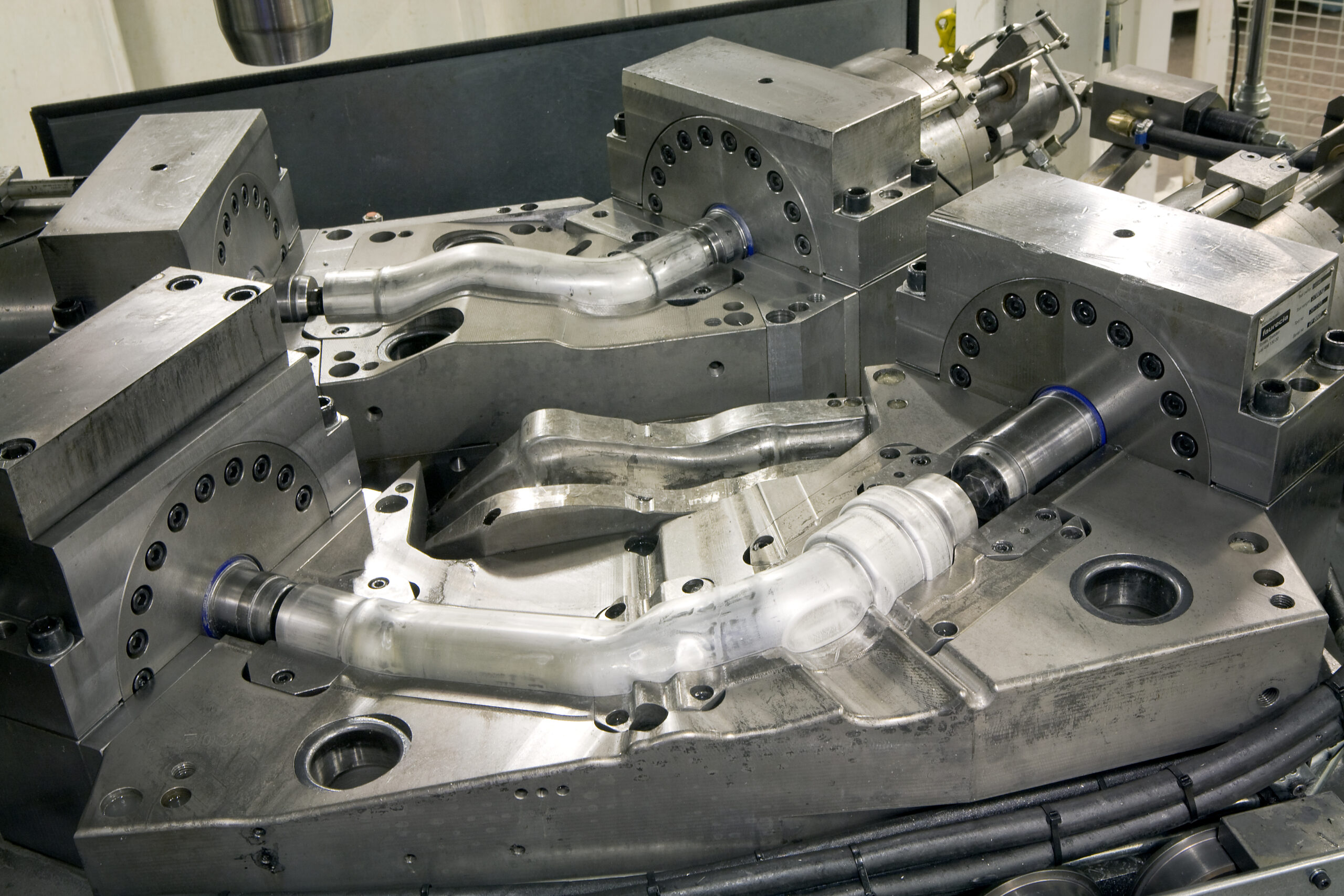
The hydroforming process consists of three main stages: forming, pressurization, and depressurization. In the forming stage, the sheet or tube is placed in a tool with the desired shape. High pressure is then applied using water or hydraulic oil, causing the material to expand and conform to the shape. Finally, the pressure is released, and the new shape is complete.
One of the main advantages of hydroforming is its ability to create complex shapes with high quality and minimal material loss.
Hydroforming is a versatile forming technique with a wide range of applications across different industries. Some of the most important areas include:
- Automotive industry – Used to manufacture exhaust components, body parts, and frame components.
- Aerospace industry – Used to create aircraft components.
- Medical technology – Used to produce implants and other medical devices.
- Other industries – Also applied in areas such as furniture design (e.g., table legs, chair legs, armrests) and the bicycle industry for shaping frame components and handlebars.
Hydroforming can be an environmentally friendly technique as it results in minimal material waste, and our machines use frequency-controlled hydraulics to reduce overall energy consumption. This lowers the overall environmental impact.
The future of hydroforming looks promising, with ongoing research and development to meet the demands of modern manufacturing. New materials, processes, and technologies are continuously being developed to make hydroforming even more efficient and cost-effective.
Latest generation hydroforming machines
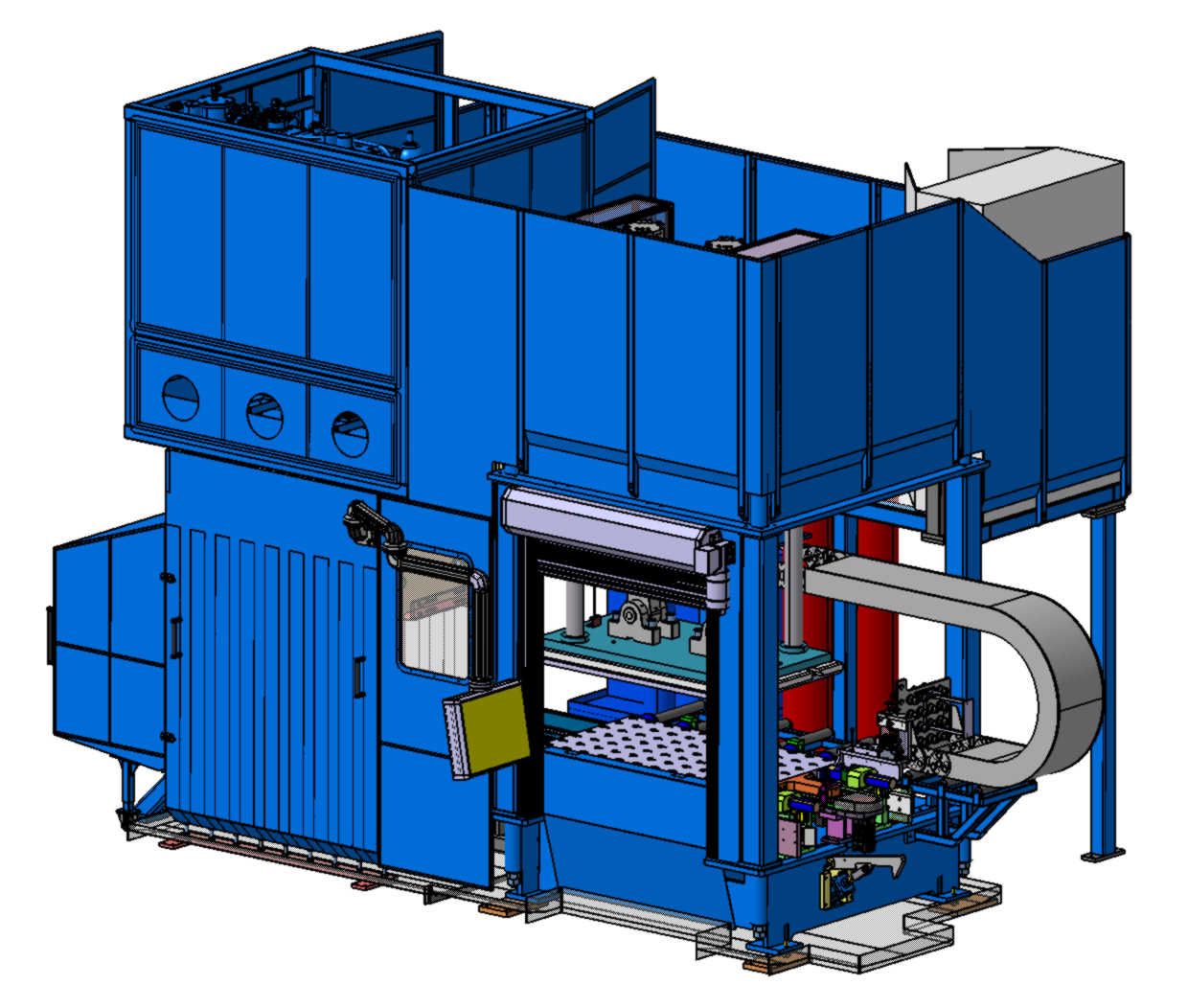
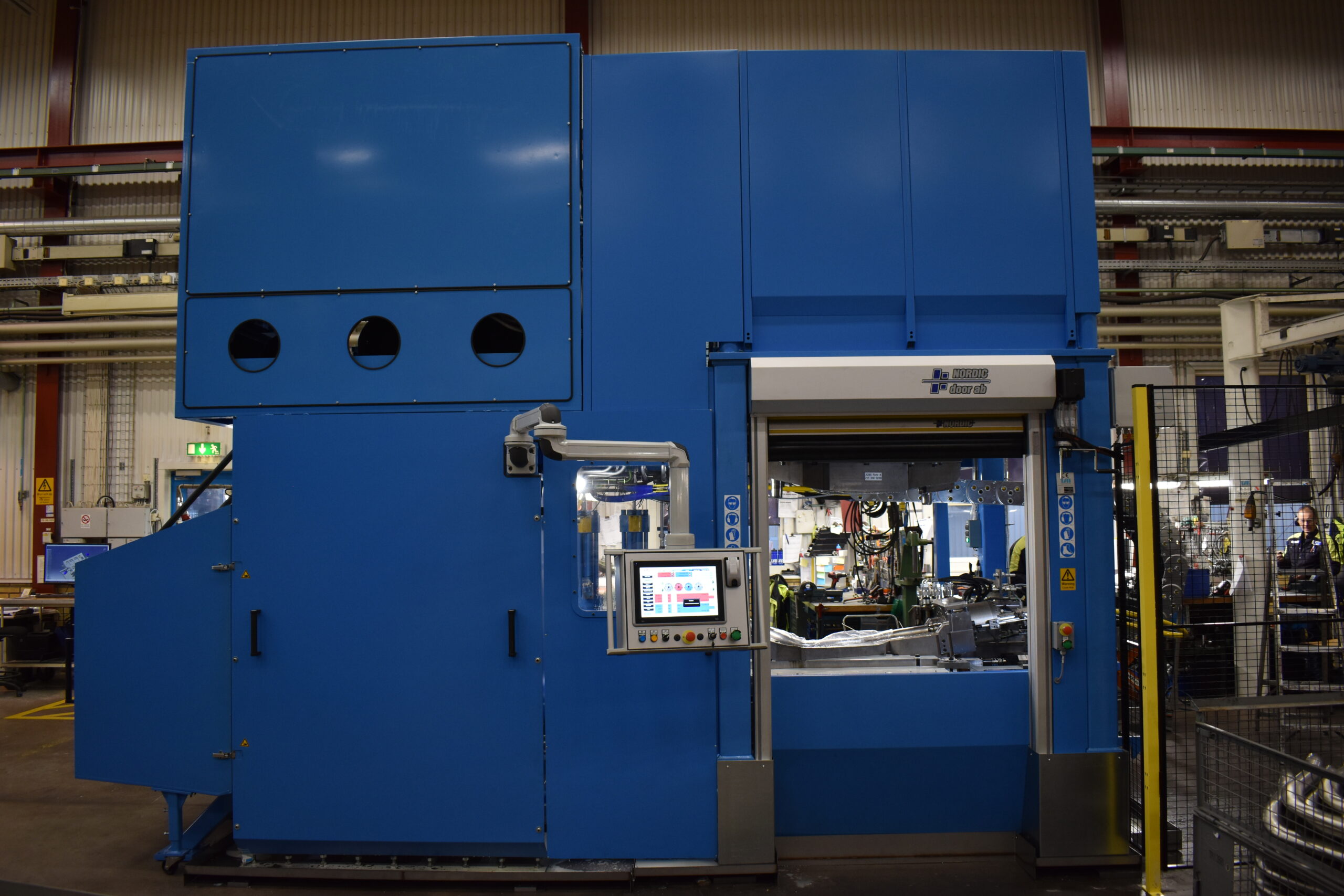
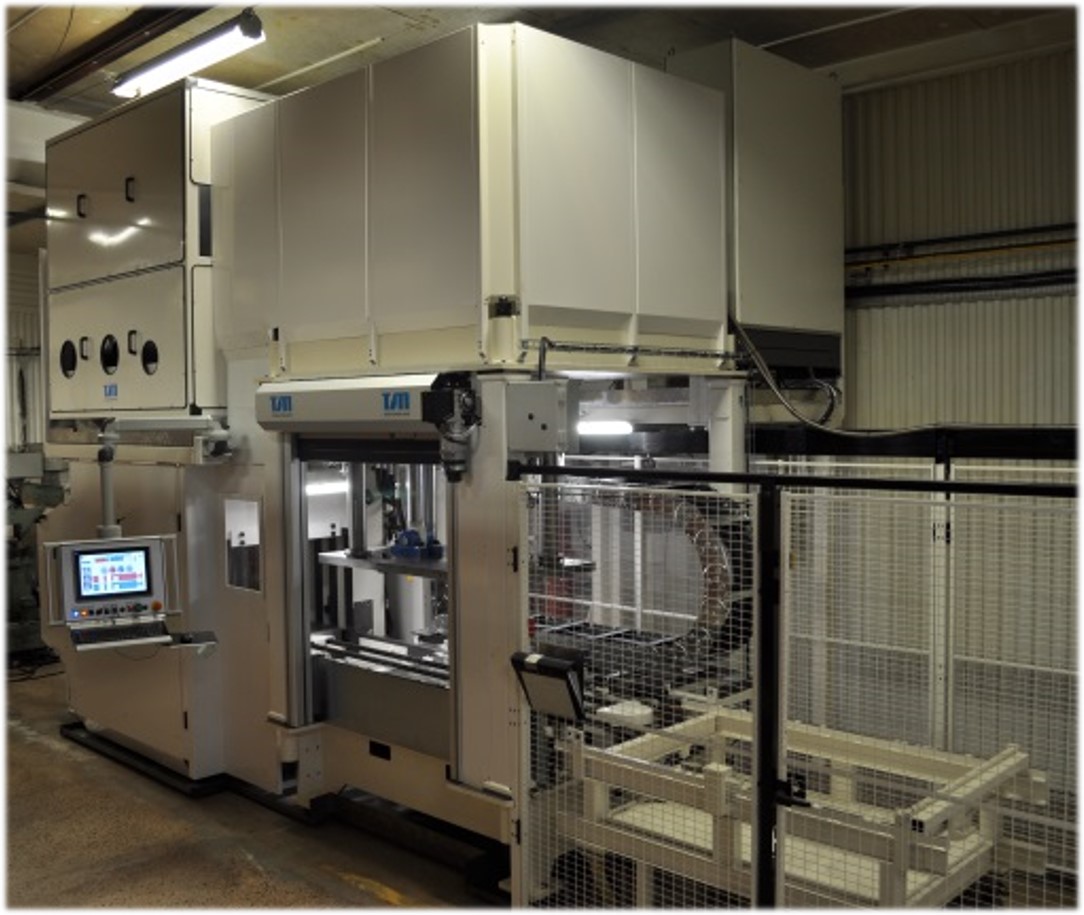
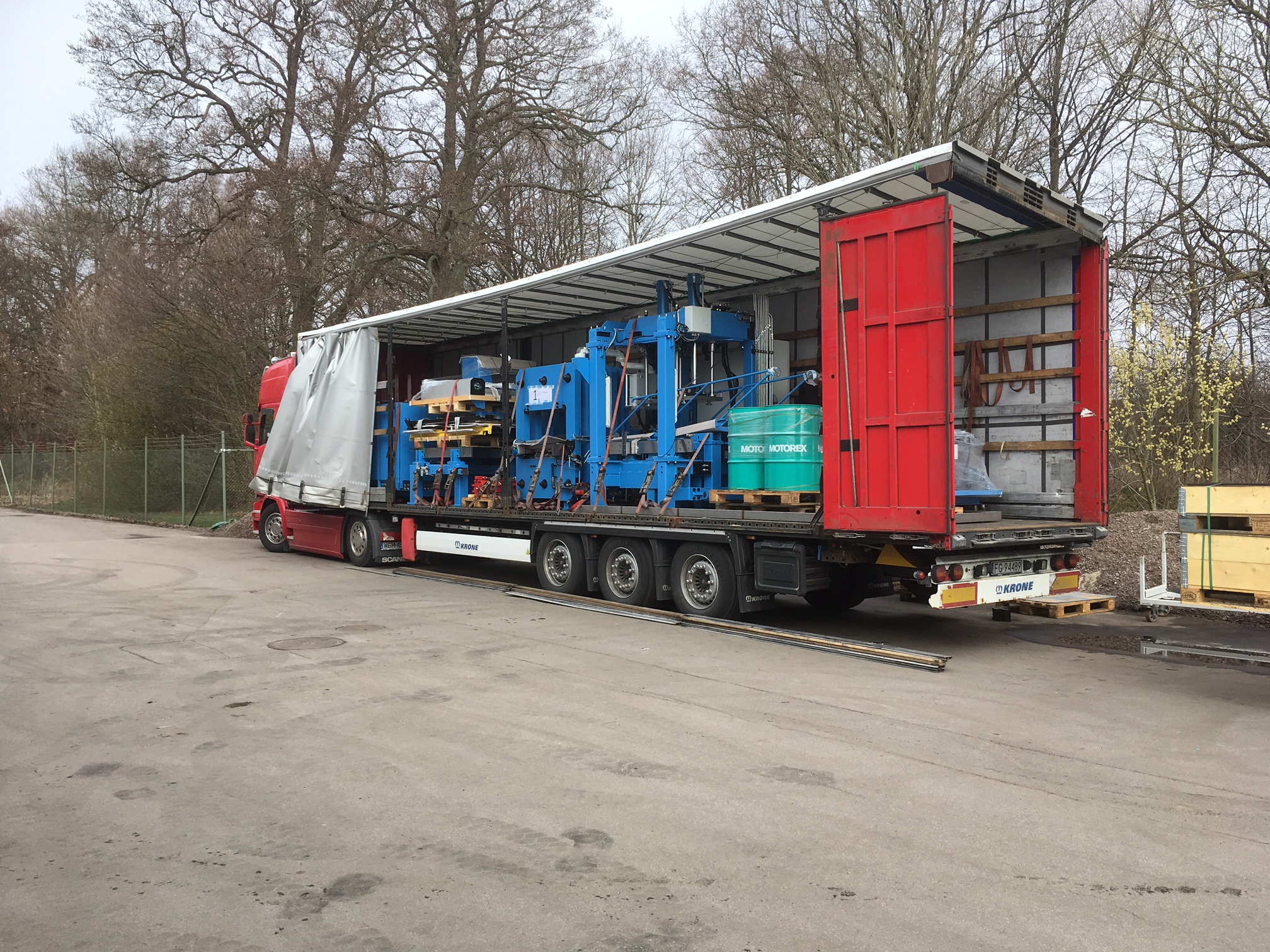
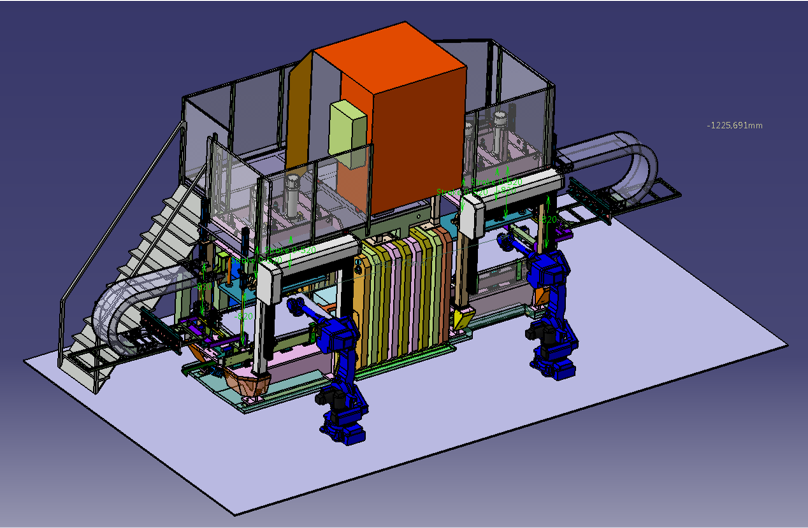
In-house concept development and manufacturing of the latest generation hydroforming machines with a press force of up to 2000 tons. Frequency-controlled hydraulics (2×37 kW + 18 kW) and hydraulic units that can be either water-cooled or air-cooled. Easy-to-navigate and programmable HMI panel. We offer design and manufacturing of tools as well as forming simulation.
The machine has a 70-ton closing force in the loading station, and thanks to two separate hydraulic circuits, it is possible to hydroform two tubes in parallel (one for each cavity). The machine is prepared for robot communication and allows advanced tube-end detection. Detailed information from the latest cycle is available, both graphically and numerically.
Hydroforming specifications
- 2×1 liter 3000 bar boosters (other booster sizes available upon request)
- Maximum tool size: 1550 × 900 × 550 mm
- 4 controlled axes
- Remote access via Cloud VPN
- Water system with filtration
- SMED (Quick tool change)